Exploring the future of artificial intelligence, technology, power, and the decisions that shape civilizations.
After more than three decades in high technology across Europe, Silicon Valley, and Asia, I have become fascinated by one question:
The novel explores artificial general intelligence (AGI), geopolitics, technology leadership, and the future of decision-making through a story that spans Silicon Valley, Zürich, Brussels, and Shanghai.
What happens when humanity creates a system capable of helping govern civilization—and nobody agrees who should control it?
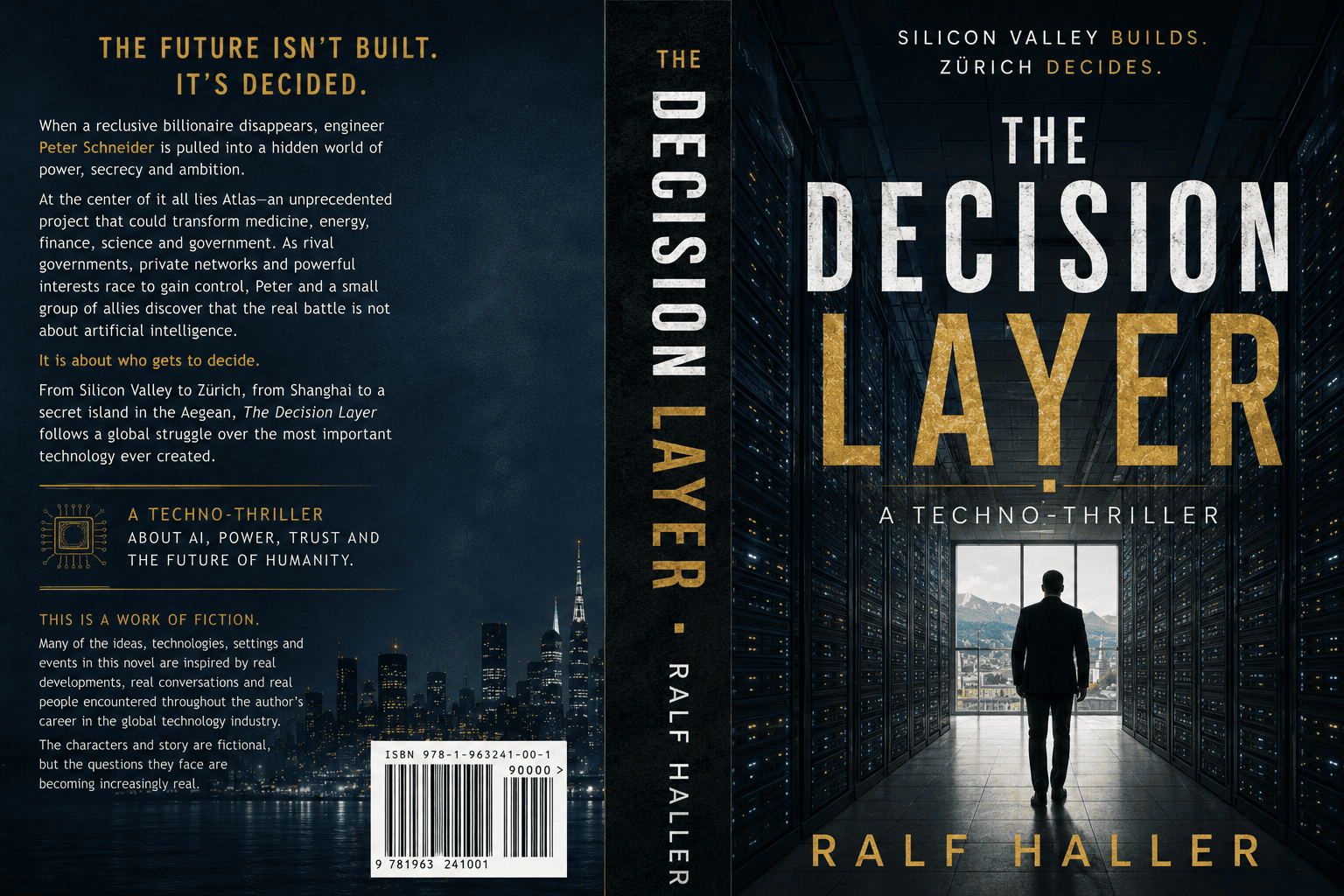
When a legendary technology entrepreneur disappears without a trace, engineer Peter Schneider is drawn into Atlas, a secret project hidden from governments, corporations, and the public.
What begins as a search for answers quickly becomes a race involving AI pioneers, investors, intelligence services, and world powers.
At stake is not merely who builds the most powerful artificial intelligence.
The real question is who gets to decide how it is used.
A techno-thriller about power, technology, and the future.
It is becoming a story about power, infrastructure, economics, and ultimately humanity itself.
The Decision Trilogy follows Peter Schneider, an engineer drawn into a hidden network of entrepreneurs, scientists, investors, and political leaders who are shaping the future behind the scenes. As AI evolves from software into physical systems and eventually becomes deeply intertwined with society, Peter discovers that the most important decisions affecting billions of people are increasingly made beyond public view.
Spanning Silicon Valley, Zurich, Shanghai, Hong Kong, Bangalore, and beyond, the trilogy explores how intelligence, machines, and human ambition collide in a rapidly changing world.
Part techno-thriller, part geopolitical fiction, and deeply rooted in real technological developments, The Decision Trilogy asks one central question:

As artificial intelligence approaches human-level capabilities, a small group of technology leaders begins to gain unprecedented influence over governments, corporations, and societies.
Peter Schneider, a European engineer working in Silicon Valley, is unexpectedly drawn into a hidden network known as The Continuum. What begins as a chance encounter soon reveals a world where the most important decisions are no longer made in boardrooms or parliaments, but by those controlling the world’s most advanced AI systems.
As mysterious disappearances, secret alliances, and geopolitical tensions unfold, Peter finds himself at the center of a struggle that could reshape the balance of power between nations.
The Decision Layer is a gripping techno-thriller about the emergence of artificial intelligence and the hidden forces competing to control it.

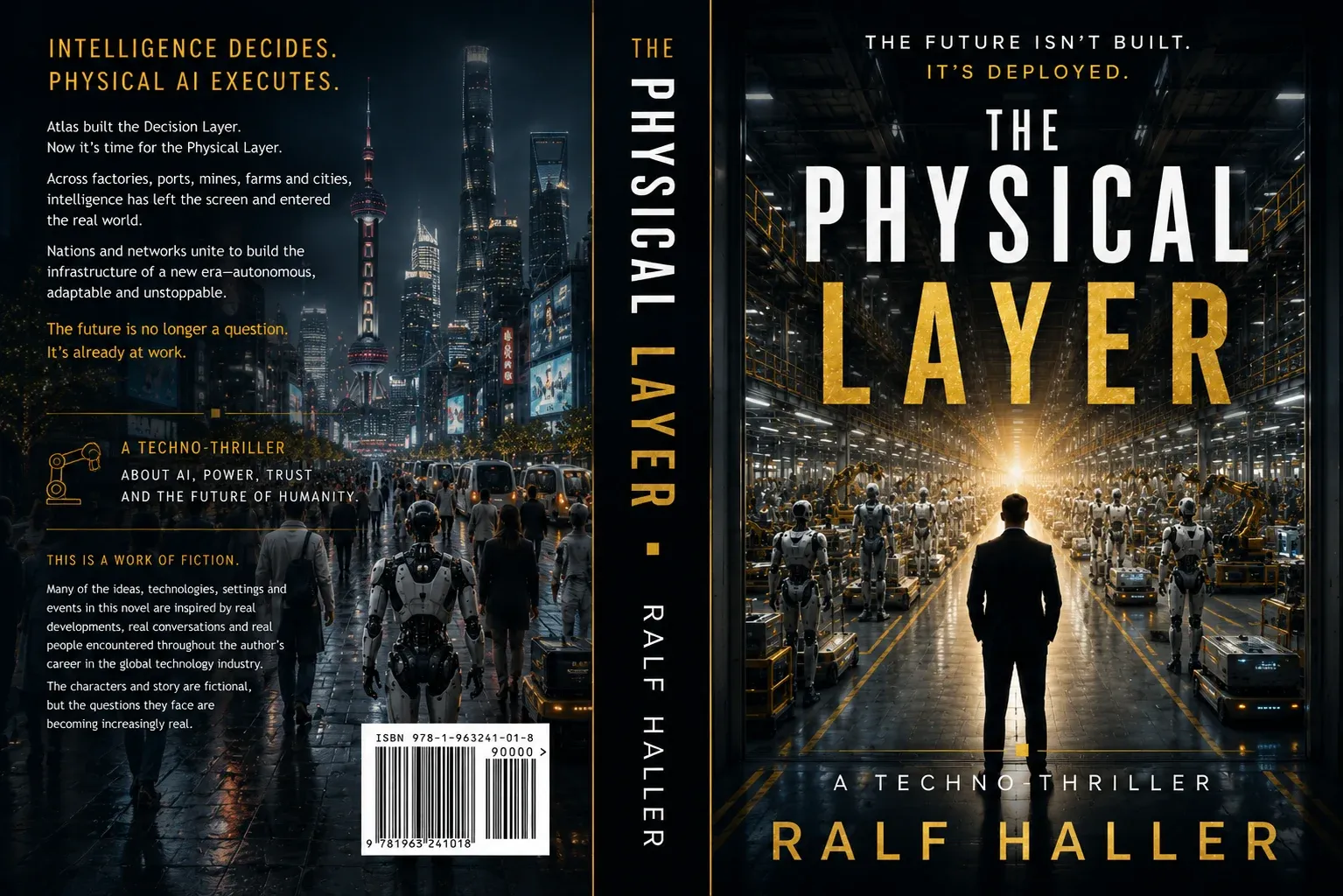
Artificial intelligence has left the screen.
Humanoid robots, autonomous factories, intelligent logistics networks, and self-optimizing cities are transforming the physical world at breathtaking speed. Nations race to secure their position in a new industrial revolution driven not by human labor, but by machines that can learn, reason, and act.
Peter Schneider discovers that the battle for AI was only the beginning. The real struggle is now unfolding in the physical world, where control over robotics, energy, manufacturing, and critical infrastructure determines the future of entire economies.
As new alliances emerge across America, China, India, and Europe, the consequences of AI become impossible to ignore.
The Physical Layer explores how intelligent machines reshape industry, wealth, and global power.

Artificial intelligence now influences nearly every aspect of human life. Work, education, relationships, healthcare, governance, and even personal identity have been transformed.
Peter Schneider faces the ultimate question: what remains uniquely human when intelligence is no longer scarce?
As society adapts to a world where machines can outperform humans in most cognitive tasks, a deeper struggle emerges—not for technology, but for meaning, freedom, purpose, and human agency.
The Human Layer explores the future of civilization itself and asks whether humanity can thrive in a world shaped by its own creations.
A powerful conclusion to The Decision Trilogy, examining the relationship between intelligence, technology, and what it truly means to be human.

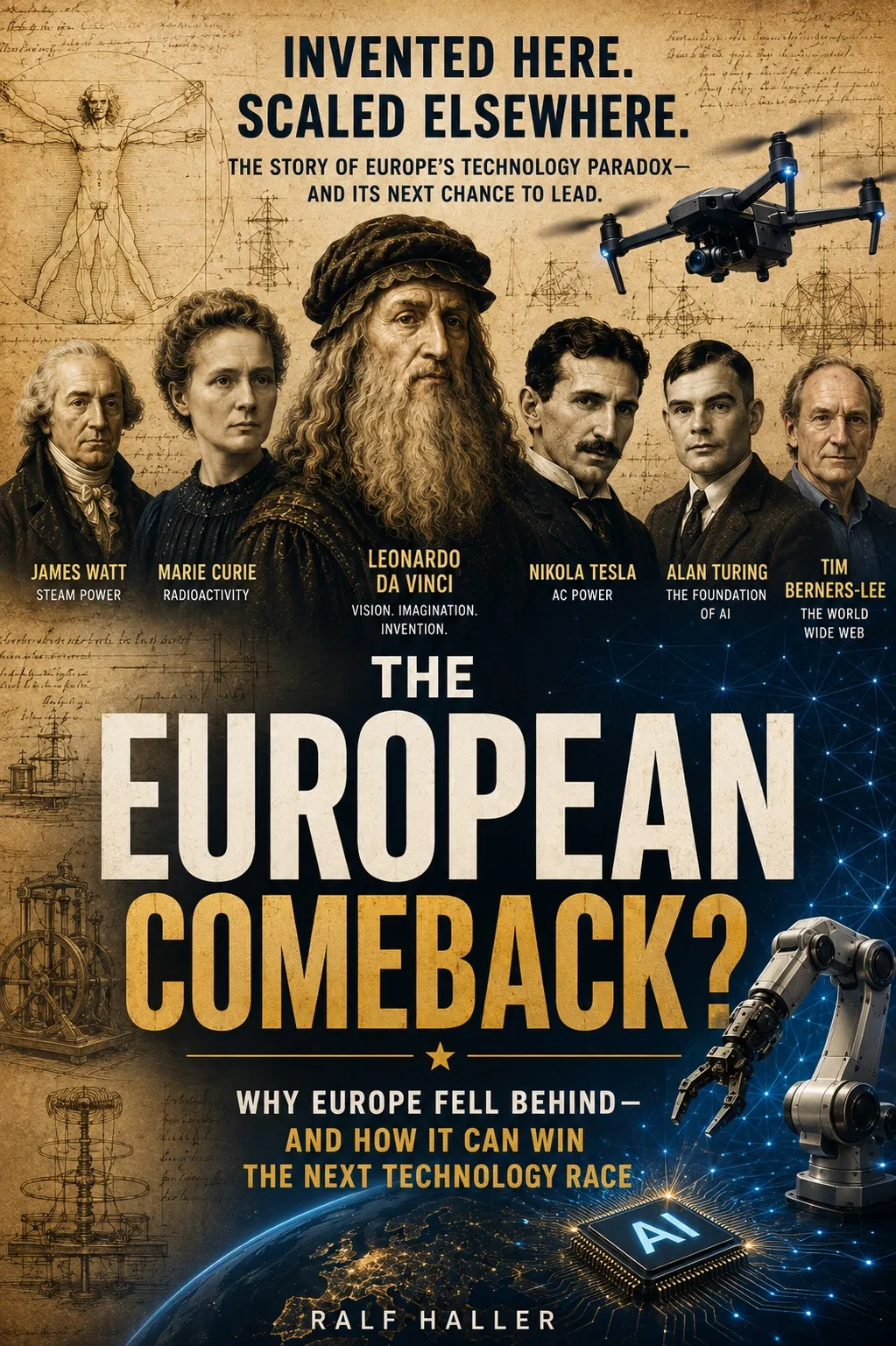
Why Europe Fell Behind - And How it Can Win the Next Technology Race
Europe has produced world-class engineers, scientists and industrial companies, yet over the past four decades it has repeatedly failed to build global technology leaders across many of the most important technology waves.
Drawing on nearly thirty years of experience across Silicon Valley, China/Hong Kong and Europe/Switzerland, The European Comeback examines why this happened - and, more importantly, what Europe must do differently to become globally competitive again.
Rather than focusing on diagnosis alone, the book presents a practical blueprint for governments, universities, startups, investors and established companies to strengthen Europe's position in the age of artificial intelligence.

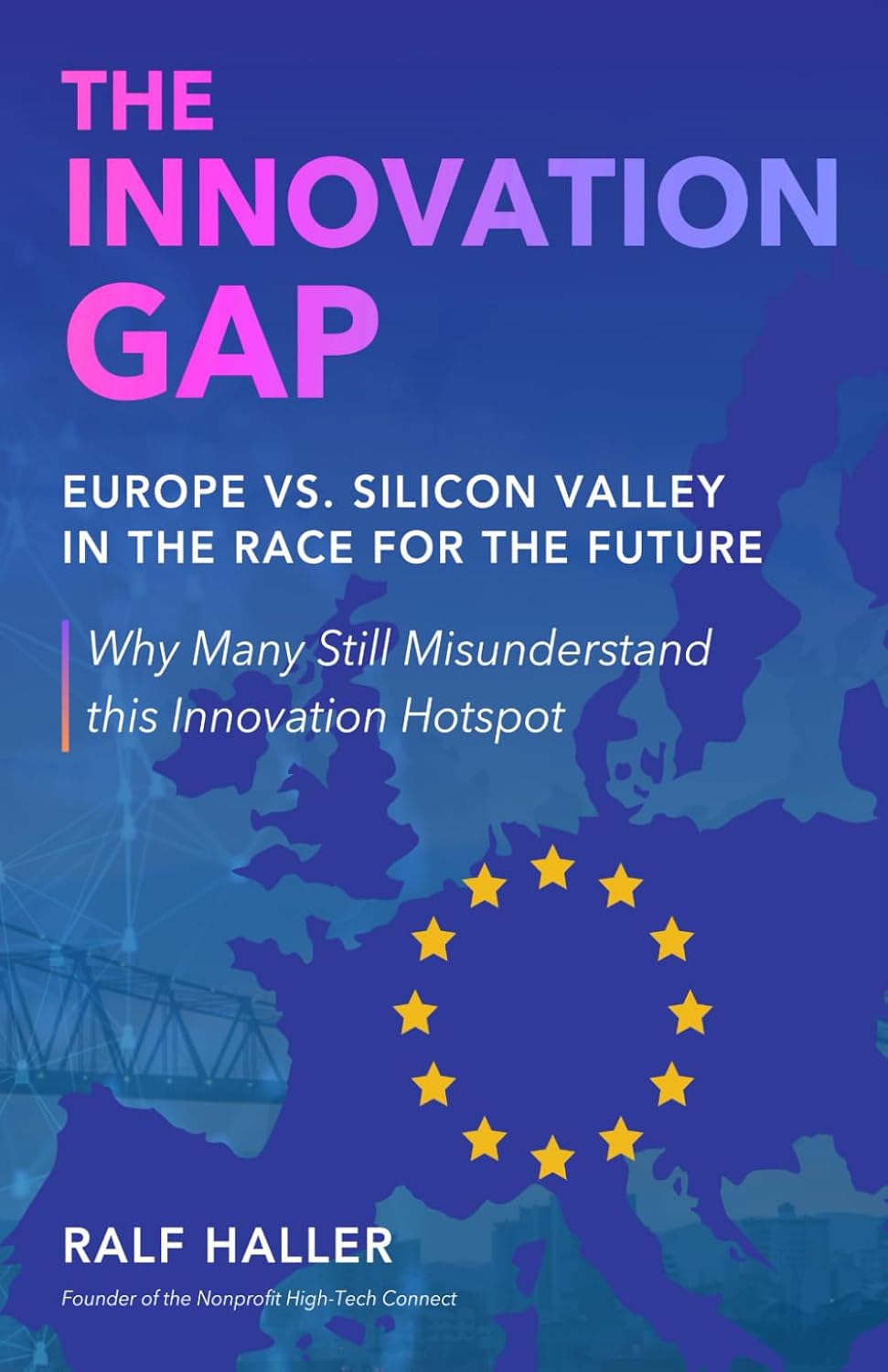
Europe vs. Silicon Valley in the Race for the Future
Why has Silicon Valley repeatedly produced the world's leading technology companies while Europe has struggled to capture major technology waves?
This short book is a summary of 10 blog posts I wrote for High-Tech Connect, exploring the persistent misconceptions I’ve encountered since returning to Europe/Switzerland after my time in Silicon Valley. These misunderstandings, often deeply rooted, are holding Europe back from achieving its full potential in the global tech race. It’s not about copying Silicon Valley, but about recognizing and applying proven strategies and habits that fuel any high-tech innovation cluster.
Understanding these crucial elements could be the difference between large-scale success and merely landing a few surprise winners. While China has emerged as the only real competitor to Silicon Valley, Europe has largely lost its capacity - and financial means - to keep pace, as we now see in the race for AI dominance.
With a foreword by Andy von Bechtolsheim, Silicon Valley legend and Google's first investor.
Exploring the future of artificial intelligence, technology, power and the decisions that shape civilizations.
Join readers interested in :
Available for selected conferences, panels, podcasts, and executive events.
Topics include :
"There is no way any trillion-dollar AI company will comment on a book that questions who is ultimately in charge of AI."
That observation stayed with me throughout the writing process.
Because the most important AI question may not be who builds the most powerful system.
It may be who gets to decide how it is used.
Available in :
Author photos, book cover, synopsis, and interview requests are available upon request.
Contact : info@hitechconnect.org