Technology has become the defining competitive advantage of nations, industries and companies. Artificial intelligence is accelerating this transformation faster than most organisations can adapt.
For nearly 30 years, I have worked across Silicon Valley, China/Hong Kong and Europe/Switzerland through multiple technology waves - from networking and cloud computing to industrial AI and today’s foundation models.
Today I help executives, boards, entrepreneurs and universities understand these changes and translate them into practical strategies, innovation and long-term competitiveness.


Technology competition is no longer simply between companies.
It increasingly takes place between innovation ecosystems.
Artificial intelligence is accelerating this shift.
Organizations that understand these ecosystems - and learn how to combine innovation, engineering, leadership and execution - will build the competitive advantage of tomorrow.
For nearly three decades I have worked across three of the world's leading technology ecosystems:
Unlike purely academic instructors or consultants, my perspective combines executive leadership, entrepreneurship, product management, business development and hands-on AI engineering.
Today I divide my time between executive education, advisory work, entrepreneurship, AI engineering, writing and international technology dialogue.
My programmes combine practical executive experience from Silicon Valley, China/Hong Kong and Europe/Switzerland with current developments in artificial intelligence, innovation systems and technology strategy. They are designed to help participants understand technological change and translate it into better strategic decisions.
Every course becomes its own pagewith:
I advise boards, CEOs, leadership teams, technology companies, scale-ups, investors and public-sector organisations on the strategic implications of AI and global technology competition.

Forthcoming
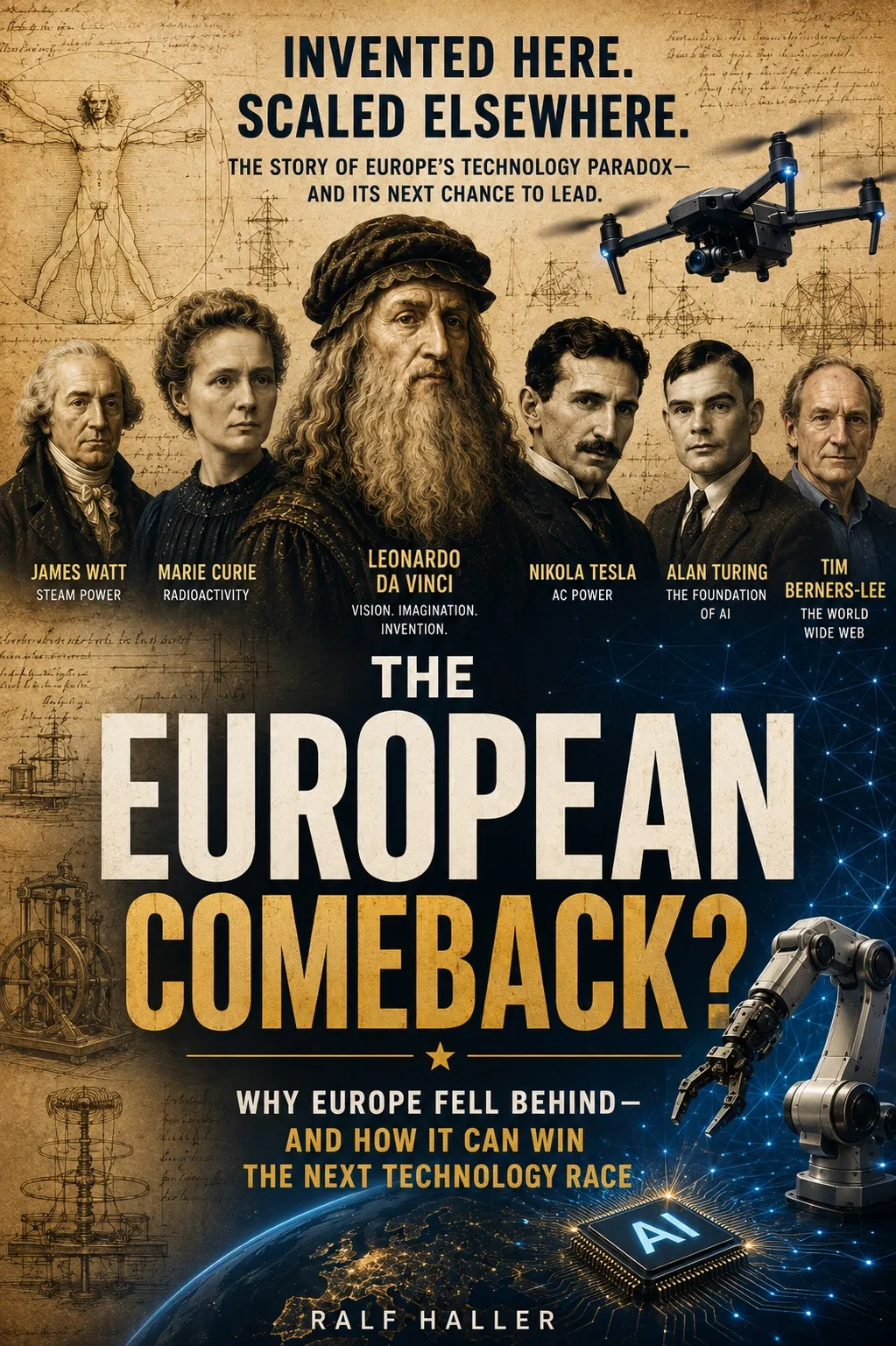
Why Europe Fell Behind - And How it Can Win the Next Technology Race
Europe has produced world-class engineers, scientists and industrial companies, yet over the past four decades it has repeatedly failed to build global technology leaders across many of the most important technology waves.
Drawing on nearly thirty years of experience across Silicon Valley, China/Hong Kong and Europe/Switzerland, The European Comeback examines why this happened - and, more importantly, what Europe must do differently to become globally competitive again.
Rather than focusing on diagnosis alone, the book presents a practical blueprint for governments, universities, startups, investors and established companies to strengthen Europe's position in the age of artificial intelligence.
Currently in development
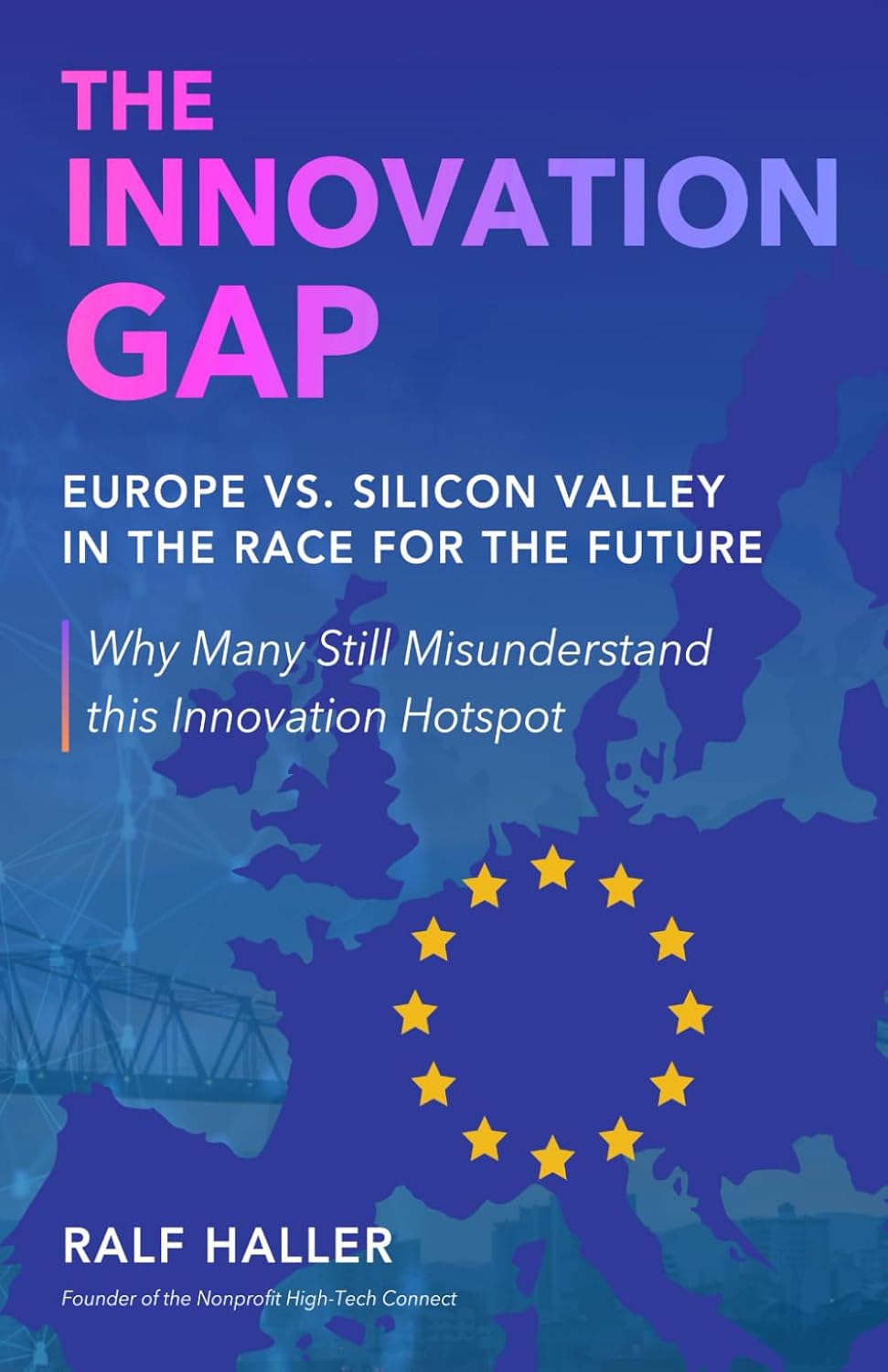
Europe vs. Silicon Valley in the Race for the Future
Why has Silicon Valley repeatedly produced the world's leading technology companies while Europe has struggled to capture major technology waves?
This short book is a summary of 10 blog posts I wrote for High-Tech Connect, exploring the persistent misconceptions I’ve encountered since returning to Europe/Switzerland after my time in Silicon Valley. These misunderstandings, often deeply rooted, are holding Europe back from achieving its full potential in the global tech race. It’s not about copying Silicon Valley, but about recognizing and applying proven strategies and habits that fuel any high-tech innovation cluster.
Understanding these crucial elements could be the difference between large-scale success and merely landing a few surprise winners. While China has emerged as the only real competitor to Silicon Valley, Europe has largely lost its capacity - and financial means - to keep pace, as we now see in the race for AI dominance.
With a foreword by Andy von Bechtolsheim, Silicon Valley legend and Google's first investor.


AI • Technology • Power • Civilization
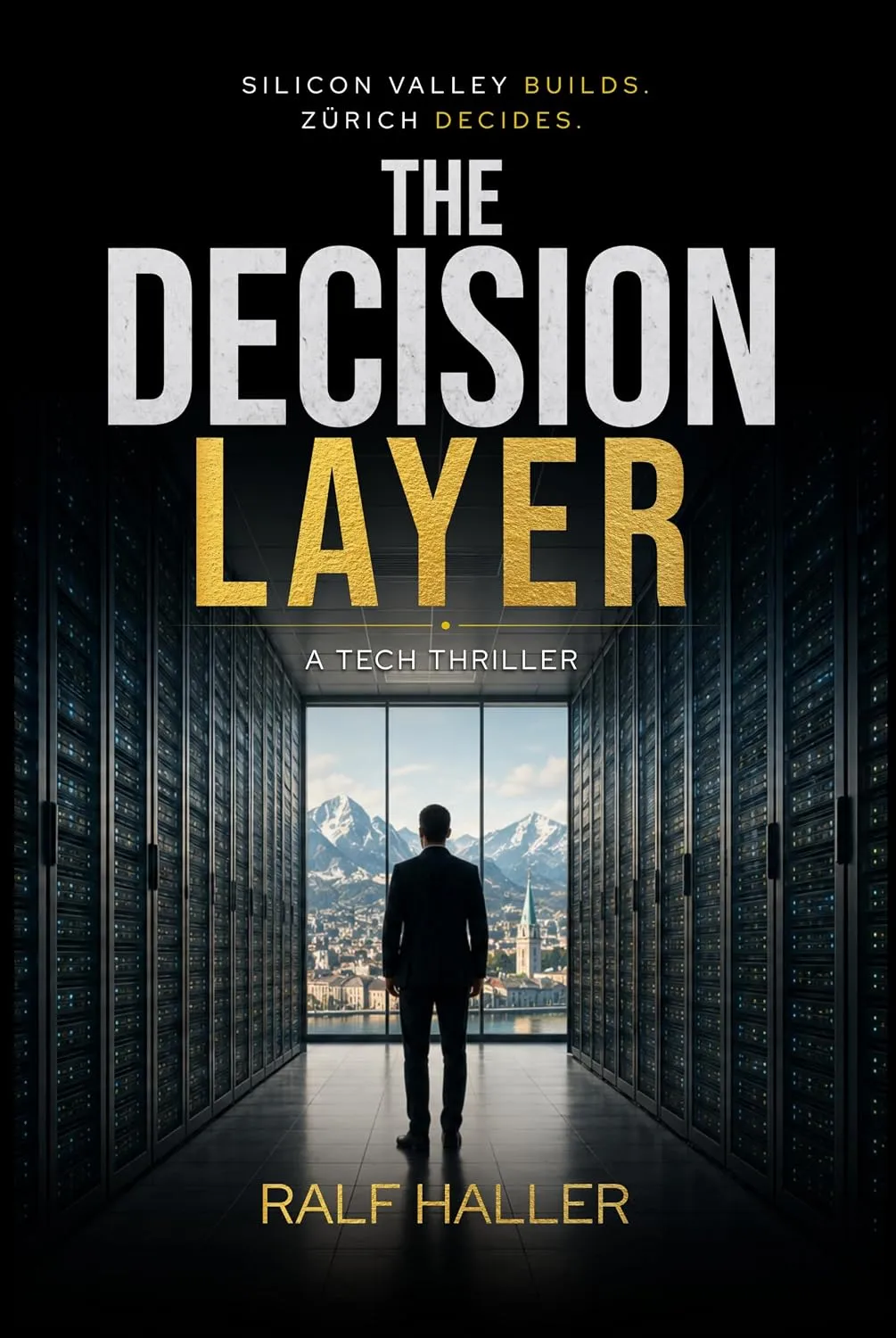
A techno-thriller exploring artificial intelligence, geopolitics, technological power and the future of human decision-making.
As increasingly capable AI systems influence decisions across business, government and society, the novel asks a central question: who should control the decision layer?
THIS IS A WORK OF FICTION.
Many of the ideas, technologies, settings and events in this novel are inspired by real developments, real conversations and real people encountered throughout the author's career in the global technology industry. The characters and story are fictional, but the questions they face are becoming increasingly real.
The Decision Layer is the first book in a planned trilogy. The Human Layer and The Physical Layer are currently in development.
I publish regular essays on artificial intelligence, innovation systems, Silicon Valley, China, Europe and the future of global technology competition and collaboration.
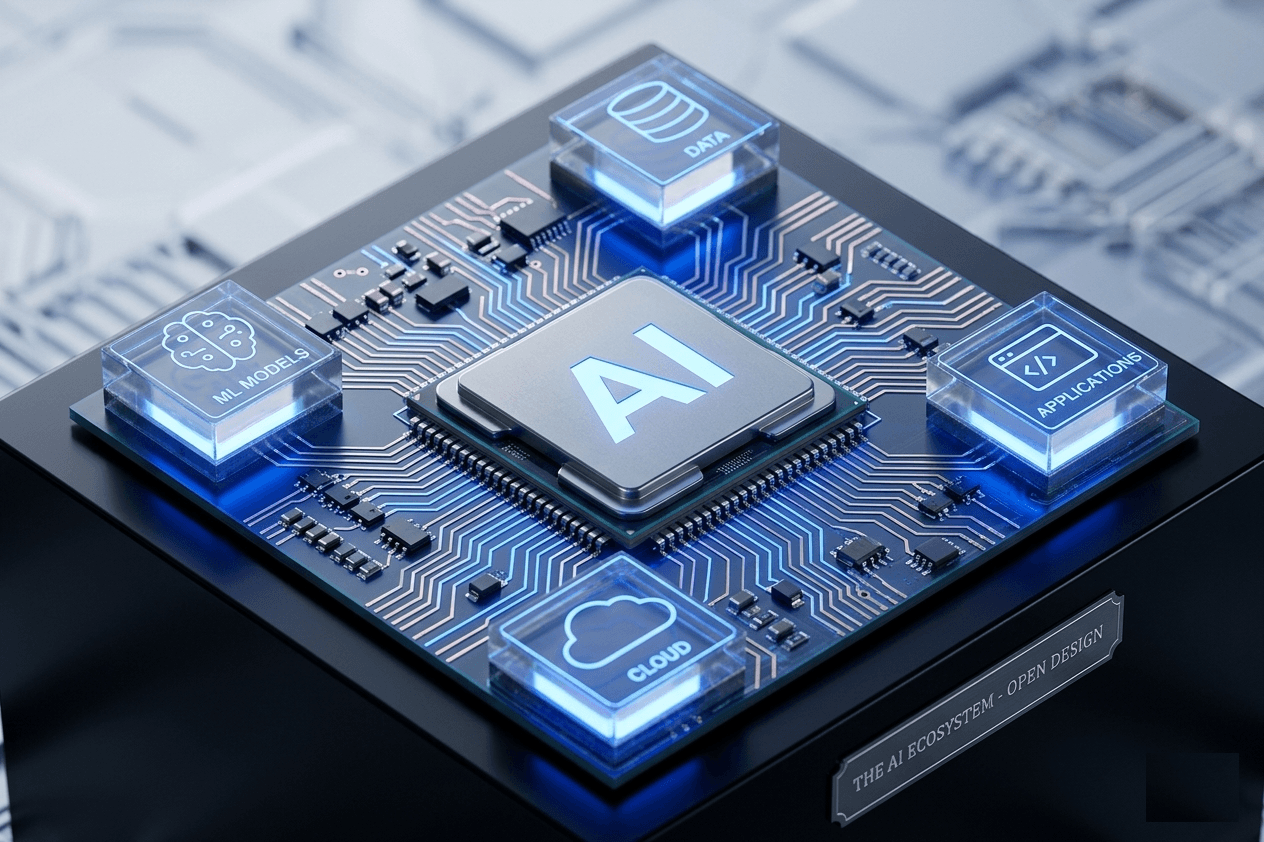
Unlike many keynote speakers and executive educators, I continue to build AI systems myself. My current work includes foundation-model applications, RAG, knowledge graphs, agentic AI, evaluation, reliability, enterprise AI, and Industrial/Physical AI.
This allows me to bridge strategy and implementation - helping organisations understand not only what AI can do, but what it takes to build reliable and useful systems.
Current interests include

The goal is to bridge strategy and implementation, helping organizations understand not only what AI can do, but how to build practical, reliable systems.
As Founder and President of High-Tech Connect, I bring together executives, entrepreneurs, researchers and technology leaders through conferences, executive forums and international dialogue.
Focus areas include
Let’s discuss how your organisation can strengthen its global technology competitiveness.
I am available for executive education, visiting faculty engagements, board advisory, keynote speaking, workshops and strategic collaboration.
I'd be delighted to hear from you.